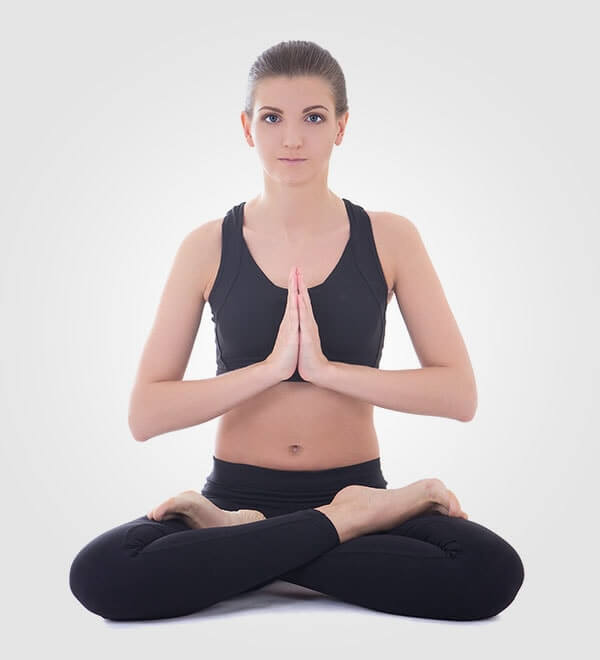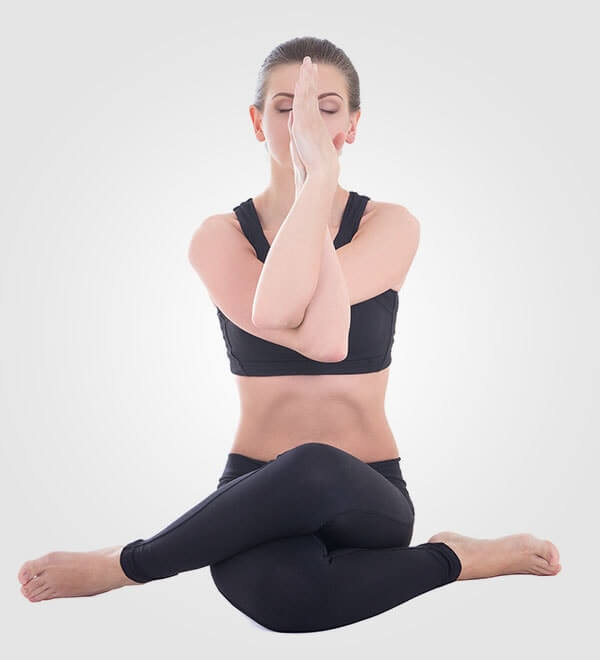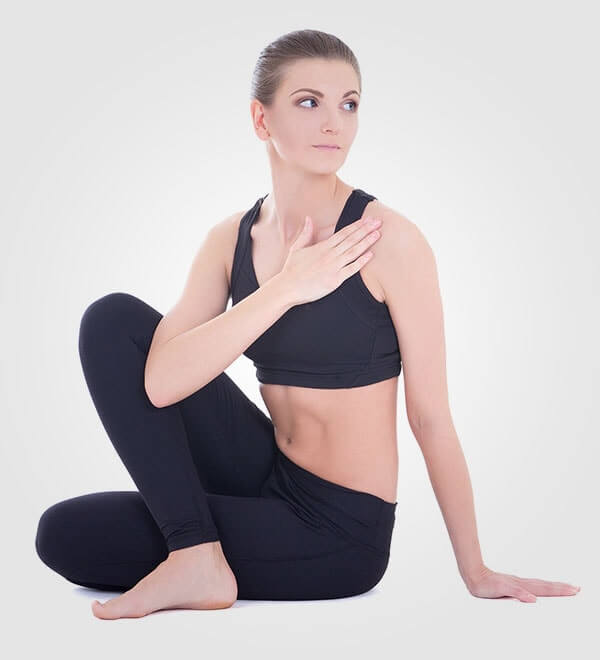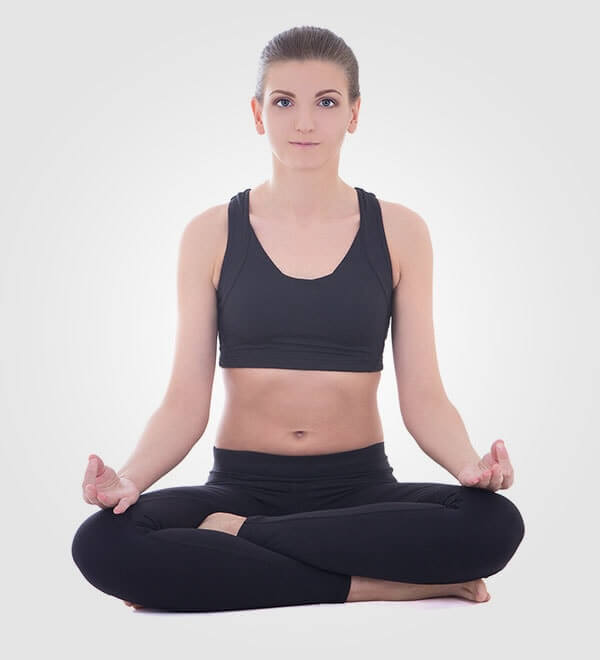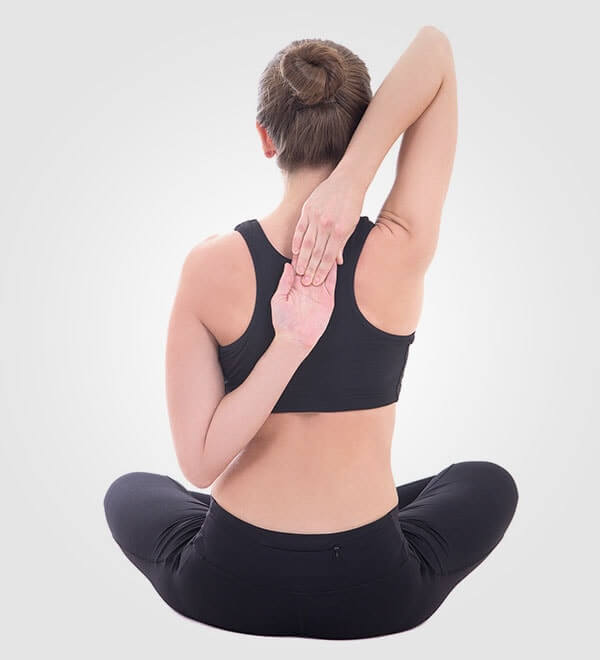
Vinyasa yoga is a dynamic style of yoga that emphasizes the connection between breath and movement. It is a flowing sequence of yoga postures that are synchronized with the breath, creating a moving meditation. The word "vinyasa" comes from the Sanskrit term "nyasa," which means "to place," and "vi," which means "in a special way." In a typical Vinyasa yoga class, the teacher will guide students through a series of postures, or asanas, that are linked together with breath. The sequence will often include sun salutations, standing postures, balancing postures, inversions, and seated postures, and will end with a final relaxation or meditation. Vinyasa yoga is known for its physical benefits, including increased strength, flexibility, and balance. It is also a great practice for stress reduction and improving mental clarity. As the practice is adaptable, it can be practiced by individuals of all levels, from beginners to advanced practitioners.
Prenatal yoga is beneficial for both the mother and the growing baby. It can help to improve flexibility, strength, and balance, which can help to prepare the body for childbirth. Prenatal yoga can also help to reduce stress and anxiety, promote relaxation, and improve overall well-being during pregnancy. In a typical prenatal yoga class, the teacher will guide students through a series of postures that are safe and appropriate for pregnant women. The class may include modifications for each trimester of pregnancy, and may also include specific breathing techniques and meditation practices that can be helpful during labor and delivery. It is important for pregnant women to check with their healthcare provider before starting a prenatal yoga practice. Women who are considered high-risk or who have any complications during pregnancy should consult with their healthcare provider before participating in any physical activity, including prenatal yoga.
Kids yoga can help children to develop strength, flexibility, and balance, as well as improve their coordination and motor skills. It can also help to promote relaxation, reduce stress and anxiety, and improve overall well-being. In a typical kids yoga class, the teacher will guide children through a series of yoga postures and breathing exercises that are appropriate for their age and development level. The class may also include fun games, songs, and stories that help to engage children and keep them interested. Kids yoga is suitable for children of all ages, from toddlers to teens, and can be practiced in a variety of settings, including schools, community centers, and yoga studios. It is a great way to introduce children to the benefits of yoga and mindfulness, and to help them develop healthy habits that they can carry with them throughout their lives.
Aerial yoga, also known as anti-gravity yoga or aerial hammock yoga, is a unique form of yoga that incorporates the use of a hammock or swing to support and elevate the body during yoga postures. The hammock is suspended from the ceiling and provides support for various yoga postures, allowing practitioners to deepen their practice and experience a sense of weightlessness. In a typical aerial yoga class, students will use the hammock to support their body during various yoga postures, including inversions and aerial acrobatics. The class may also include elements of traditional yoga, such as pranayama (breathing techniques) and meditation. It is important to note that aerial yoga can be more physically challenging than traditional yoga, and may not be suitable for everyone. It is recommended to check with a healthcare provider before starting an aerial yoga practice, and to work with a qualified aerial yoga instructor who can ensure proper alignment and technique.
Corporate yoga is a type of yoga that is designed specifically for the workplace. It involves providing yoga classes or workshops to employees in an office or corporate setting. Corporate yoga can be a great way to promote employee wellness, reduce stress, and improve productivity. In a typical corporate yoga class, the teacher will guide employees through a series of yoga postures and breathing exercises that are designed to be accessible for all levels of experience. The class may also include elements of mindfulness and meditation, which can help to reduce stress and improve focus. Corporate yoga can be offered in a variety of settings, including conference rooms, break rooms, or even outdoors. It can be customized to meet the needs and schedule of the employees, with classes offered before work, during lunch breaks, or after work hours.