

Rather than being a style of yoga as such, Hatha describes any kind of yoga where poses (asanas) are practiced, this would include Ashtanga, Vinyasa and Iyengar yoga to name a few popular styles. The word Hatha is the Sanskrit word for ‘Forceful’, and represents a system of physical techniques. Broken down, the Sanskrit word Ha translates to ‘sun’ and Tha to ‘moon’, equating to Hatha being the yoga practice of balance (1). Hatha yoga has developed in the western world into a style of yoga that is widely practiced. Classes described as Hatha Yoga would be more basic and gentle with a focus on alignment, and physical and mental benefits of each pose, making Hatha the perfect choice for a novice yogi. In addition to asana practice, Hatha yoga utilises breath in the form of pranayama exercises (controlled breathing techniques) (2) and meditation which is at the heart of traditional Hatha yoga.
Hatha yoga originated in Northern India more than 5000 years ago (3) and was taught as a healing system for the mind and to prepare the body for seated meditation. In the 15th Century an Indian Sage, Swatmarama (4), composed the yoga manual ‘Hathapradipika’ (5). This is said to be one of the oldest surviving texts on Hatha yoga. The Hathapradipika describes the practice of poses (asanas), controlled breathing techniques (pranayama) and purifying practices (shatkriya). It explains that the sole purpose of Hatha yoga is to awaken the Kundalini energy and to bring the body into a state of Samadhi (6), a deep state of meditative consciousness. The 20th Century brought Yoga to the west and we have Sri T. Krishnamacharya (7) to thank for this. Krishnamacharya has influenced most yoga traditions today and had the aspiration of sending yoga out from India to the rest of the world.
Like with all the yoga disciplines the benefits of Hatha yoga are vast. The purpose of the practice is to create complete health of your mind and body and to allow breath and energy to flow through you freely. Hatha yoga uses physical poses to generate strength and flexibility and to drive energy into all areas of the body, removing any built up tension.
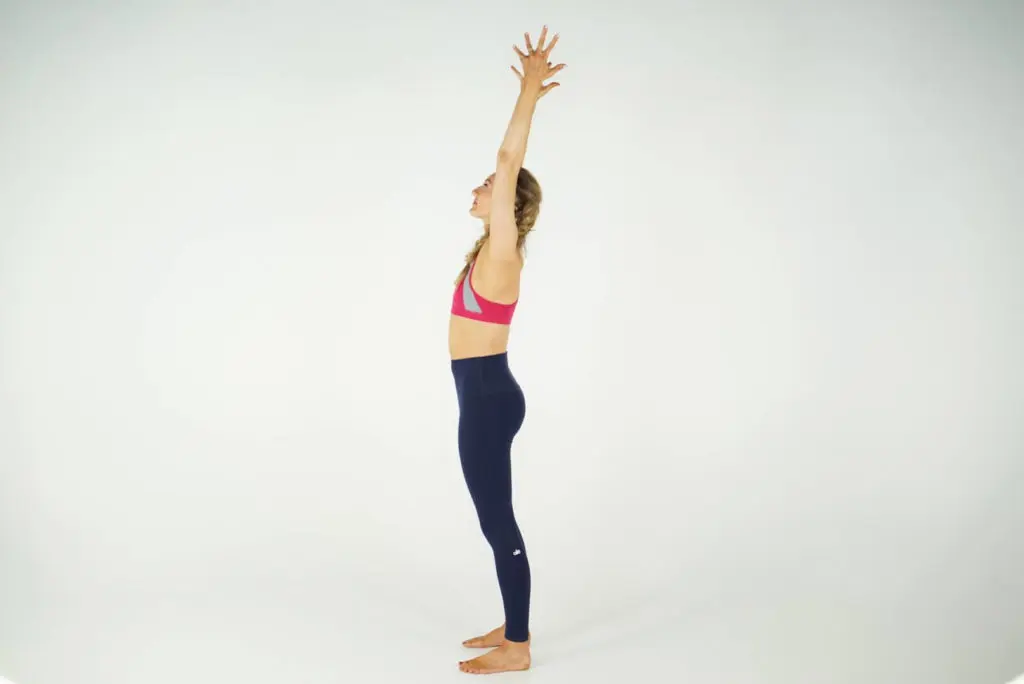
This may seem like an obvious benefit of yoga but being flexible is so important to our physical health. Flexibility allows you to use the maximum strength of your muscles, decreases risk of injury and lubricates your joints.
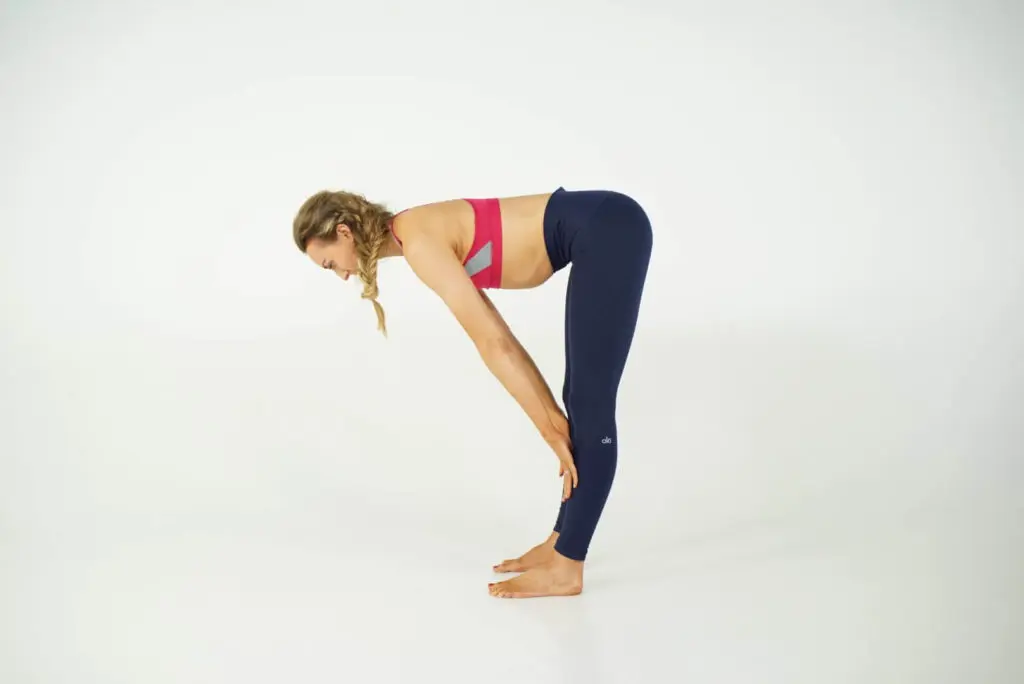
This benefit you may notice immediately after your first class. The way breath is used during your practice stimulates the parasympathetic nervous system . This enables us to still the busy mind and lower the heart rate.
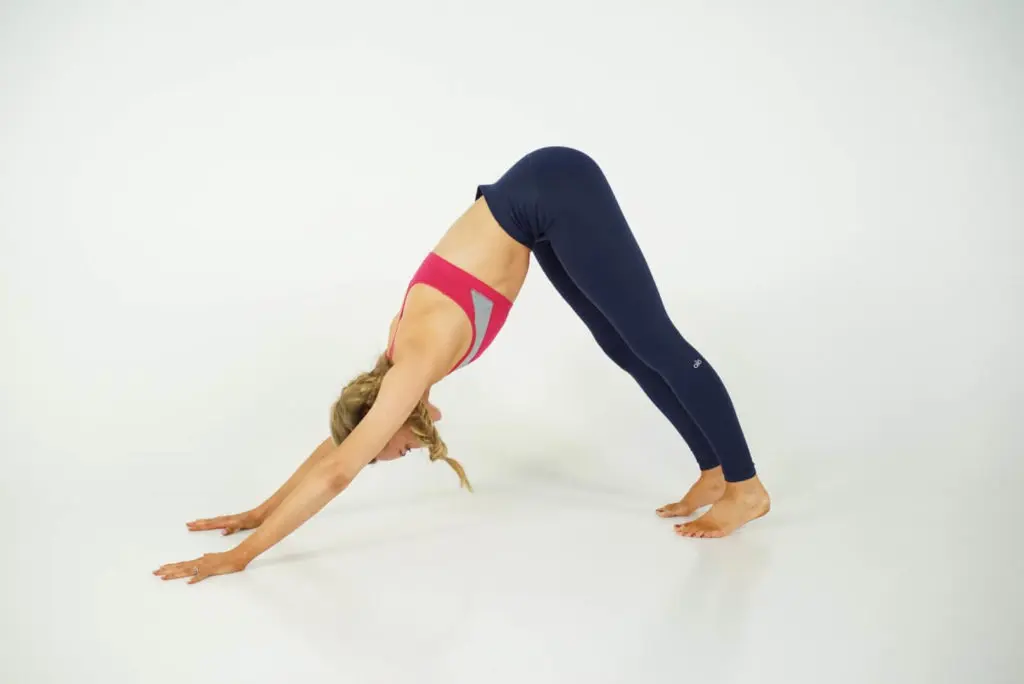
Working with your own body weight is an excellent way of building strength and tone in the body, and this is exactly what you do in a Hatha yoga class.the poses taught held for longer periods of time .
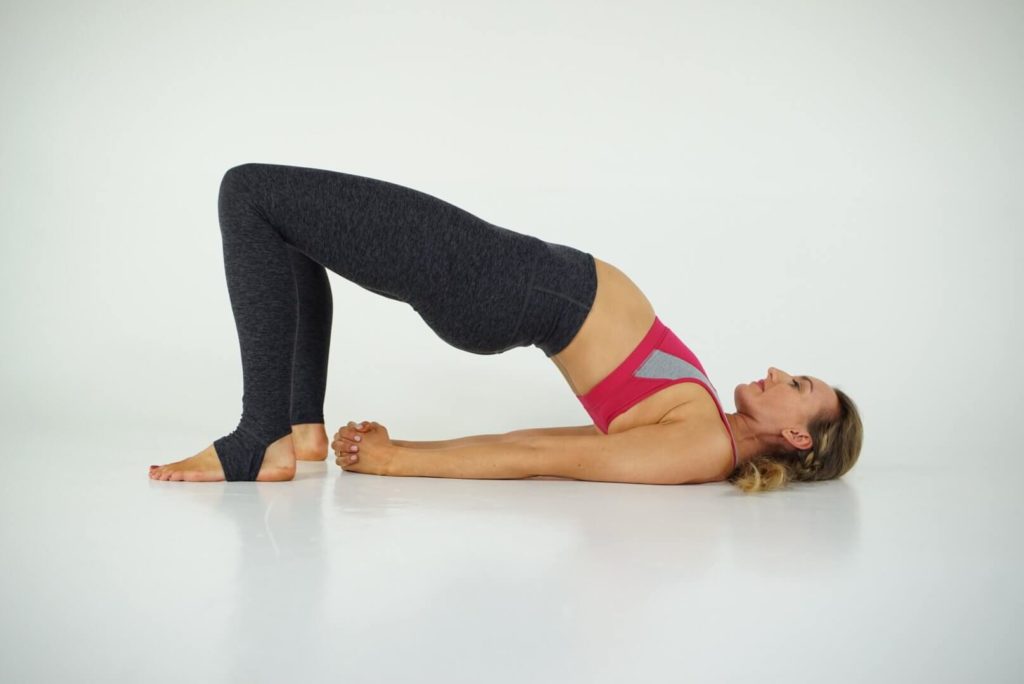
In a study looking at the physiological changes in adult women after a short period of regular yoga practice, evidence showed an increase in cardiorespiratory efficiency.
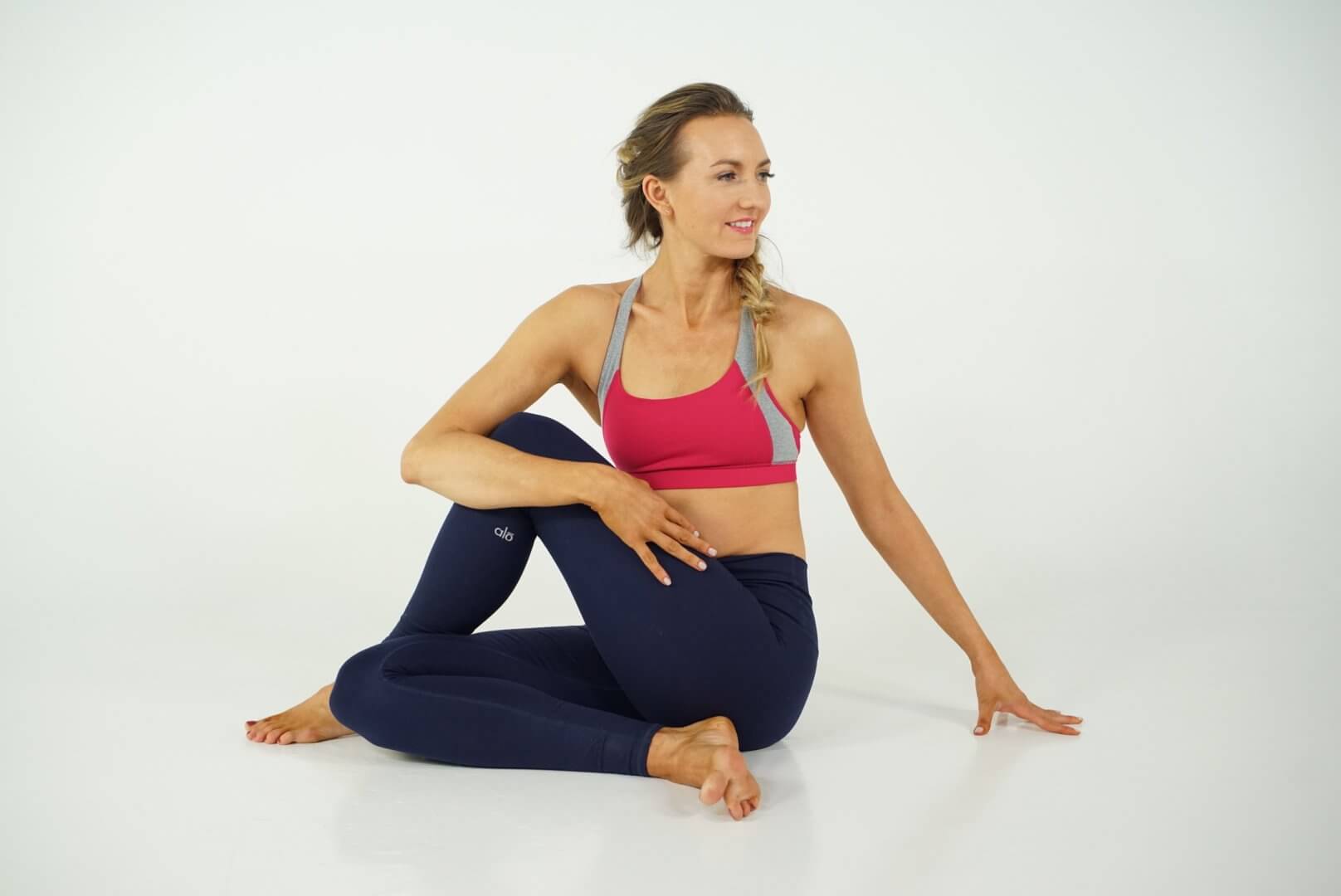
Twisting and stretching your body stimulates your lymphatic system and increases the drainage of toxins in the body. This helps the body to fight infection and illness and improve overall health.
Many studies have been performed to show how beneficial yoga and meditation can be on our mental health. The Harvard Medical School recognizes the positive effect yoga has on reducing anxiety and depression.